Picture this: coffee in hand, sunrise on the water, and your boat ready for a quick morning cruise. If you are shopping waterfront in Bradenton, you know that every shoreline has trade-offs that affect lifestyle, access, costs, and long-term risk. This guide shows you how to evaluate the right fit across Bradenton’s riverfront, bayfront, canal, and Gulf-adjacent options. You will learn what to check for boating access, permitting, flood risk, inspections, utilities, and ongoing maintenance so you can buy with confidence. Let’s dive in.
Choose your waterfront type
Manatee River and tributaries
Riverfront homes along the Manatee River and Braden River offer scenic views and direct navigation toward Tampa Bay. Depths, currents, and tidal influence vary by location, which affects boat size and docking. Confirm channel depth to your dock and along your likely route, and note any commercial traffic patterns in busier stretches. If you want longer runs or river scenery, this setting can be ideal when the depth and bridge clearances align with your boat.
Bayfront and inland bays
Bayfront lots on Palma Sola Bay, Anna Maria Sound, and portions of Tampa or Sarasota Bay typically offer calmer water than open Gulf frontage. That can mean easier small-boat access, great near-shore cruising, and fishing opportunities. You still need to account for tidal flooding and wind-driven surge during storms. Expect conservation rules for seagrass and mangroves to shape what you can build or trim along the shoreline.
Canal or engineered waterways
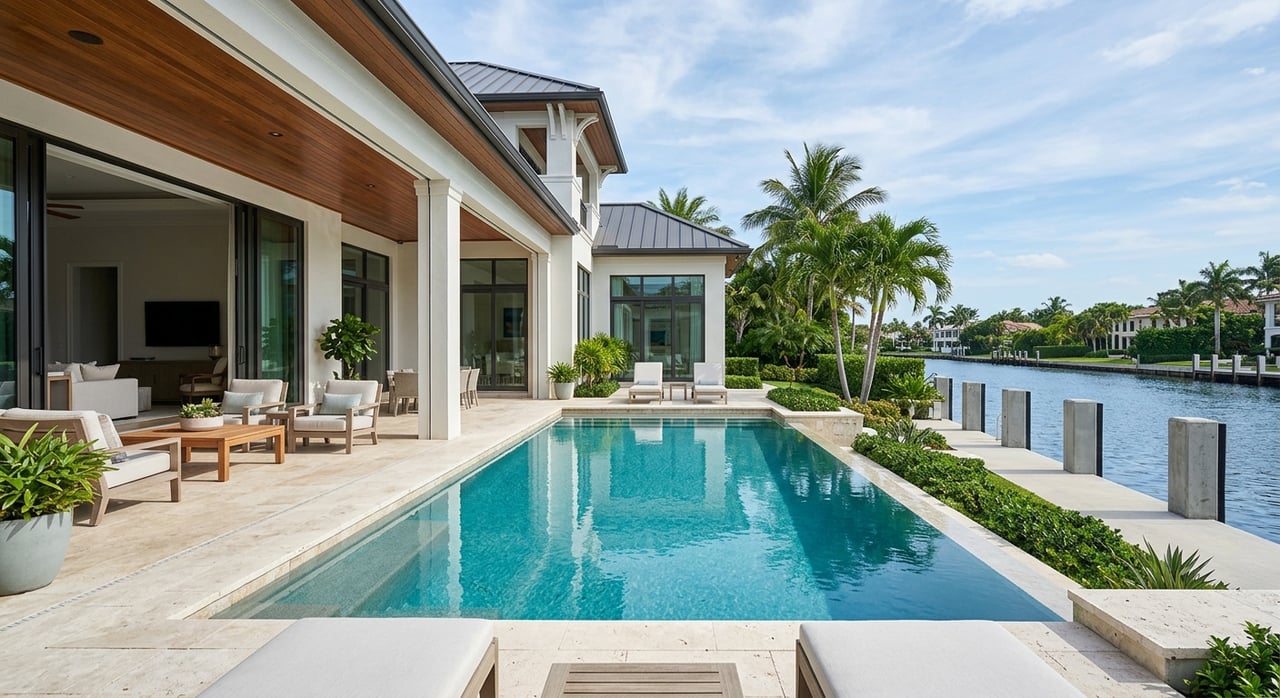
Canal neighborhoods provide the convenience of backyard docks and lifts with relatively sheltered water. Depths and dredging history vary by canal, which affects whether larger boats can navigate at low tide. Maintenance responsibility can fall to an HOA, a special district, or individual owners, so verify who handles dredging and seawall upkeep. Ask for easements, prior dredging records, and any HOA rules that limit dock size, lifts, or guest mooring.
Gulf and beach adjacency
Gulf-facing properties near Anna Maria Island and Longboat Key deliver the highest scenic value and direct beach access, with greater exposure to wave energy and erosion. Permitting for Gulf-front work often differs from bay or river settings due to dune and beach rules. If you dream of unobstructed horizons and quick Gulf access, plan for stricter permitting, potential shoreline dynamics, and stronger storm exposure. Weigh the lifestyle rewards against construction rules and insurance needs.
Boating access: depth, bridges, and speed zones
Depth, draft, and dock planning
Before you commit, match your boat to the water. Many residential docks meet water that is only 2 to 4 feet deep at mean low water, and local conditions can shift by street or neighborhood. Confirm riparian rights, existing permits, and whether any dredging has occurred or is allowed. Use authoritative boater guides and navigation charts when you size up draft requirements and typical tides.
Bridge clearances and channel obstacles
Fixed bridges and drawbridges can limit air draft, which matters for sailboats, towers, and flybridges. Check listed clearances and your route’s charted channels if you plan to run a larger vessel. When boat size is a factor, request a marina or surveyor review and verify your path to the bay or Gulf under different tides and wind conditions. A short bridge can be a big constraint, so confirm before you buy.
Public ramps and marina options
If you do not plan to keep a boat at the house, map out nearby public ramps and private marinas. County capital projects can add or improve boat ramp capacity over time, which may change traffic patterns and convenience. Even if you dock at home, a nearby marina for fuel, service, or overflow can make day-to-day boating easier. Keep these resources in mind when you compare locations.
Speed zones and wildlife protections
Some local waters include manatee zones, seagrass flats, and slow-speed or no-wake areas. These rules protect sensitive habitat and may lengthen run times during certain seasons or in specific corridors. If you fish or prefer faster runs, factor posted speed zones into your typical routes. Align your boating style with an area’s environmental protections.
Permits and environmental rules
Who reviews waterfront work
Expect a layered review for most shoreline projects. Manatee County and the City of Bradenton handle local environmental review and building permits for docks, seawalls, riprap, and setbacks. Florida’s Department of Environmental Protection (DEP) oversees Environmental Resource Permitting and mangrove trimming, with exemptions for some small residential docks. Many projects that involve dredging, fill, or seagrass impacts also need authorization from the U.S. Army Corps of Engineers.
Common permit triggers
Typical triggers include new or expanded docks, boat lifts, boat ramps, dredging, seawalls, riprap, and any mangrove trimming or removal. Parcels near aquatic preserves or Outstanding Florida Waters can face added scrutiny. Local officials may require proof of state or federal approvals before issuing a building permit. Ask for prior permits and approvals early in your review to avoid surprises later.
Living shorelines vs. seawalls
Where site conditions allow, living shorelines that use vegetation and oyster features can stabilize banks, support habitat, and reduce environmental objections. They are not right for every parcel, especially in higher-energy locations, but they are worth exploring during due diligence. Ask whether a living-shoreline approach is feasible or if prior owners were required to harden the shoreline. The right solution balances protection, habitat value, and maintenance over time.
Flood risk, insurance, and long-term exposure
Pinpoint your flood zone
Do not guess at flood risk. Run the exact address through Manatee County’s flood-zone lookup and FEMA’s Flood Map Service Center. These tools identify whether a lender is likely to require flood insurance and help you understand zone labels like AE or VE. An address-level check is essential for financing and insurance planning.
Insurance basics and Risk Rating 2.0
If a home lies in a Special Flood Hazard Area, most federally regulated lenders will require flood insurance. FEMA’s Risk Rating 2.0 now prices policies using property-specific factors such as elevation and expected flood frequency. During your inspection period, request sample quotes from the National Flood Insurance Program and at least one private carrier. Use this information to compare homes and refine your budget.
Elevation Certificates and pricing
An Elevation Certificate documents the lowest-floor elevation relative to a property’s Base Flood Elevation. Insurers often use it to price NFIP policies, and lenders may request it to verify compliance. If the seller does not have a recent certificate, plan to order a survey from a licensed professional. The right documentation can lower uncertainty and may improve your premium outlook.
Sea-level rise and nuisance flooding
Plan beyond year one. Review neighborhood-scale sea-level and nuisance-flooding projections to understand how higher base water levels may affect drainage and access in the next 10 to 30 years. Focus on how often high tides may cause minor flooding and whether road access or yard drainage could change. Use these insights to choose resilient locations and prioritize homes with stronger elevations or floodproofing features.
Inspections, utilities, and maintenance
Specialty inspections to order
In addition to a standard home inspection, order targeted waterfront reviews during your due diligence. A marine or structural engineer can assess the seawall or shoreline, and a licensed marine contractor or engineer can evaluate the dock, piles, and lift. Ask for wind-mitigation and 4-point inspections for insurance, plus plumbing, sewer, or septic inspections where applicable. Use only licensed Florida professionals and request reports in writing.
Permits, records, and condition
Ask the seller for permit history and as-built drawings for any seawall, dock, lift, or shoreline work. If records are missing, schedule a marine-structural inspection and check with local permitting offices for archives. Undocumented seawalls or unpermitted work create risk at resale and can limit what you may repair or replace. Clear records and recent inspections help you set a realistic 5 to 10 year maintenance budget.
Seawall lifecycle and costs
Budget for routine coatings, joint sealing, and hardware replacement on docks and lifts. Major seawall repairs or full replacements vary widely by material, access, and site, with industry planning ranges often quoted in the low hundreds to several hundred dollars per linear foot. Use local contractor estimates for accuracy on your lot. A proactive inspection can help you distinguish cosmetic work from structural needs.
Sewer vs. septic
Confirm whether the home connects to public sewer or uses an onsite sewage treatment system. Ask for recent utility bills and any service records. If the property is on septic, request inspection results and confirm permitting and maintenance history with the appropriate health or environmental agency. Know what upgrades might be required if you plan renovations that increase bedrooms or fixtures.
Salt air and upkeep
Coastal environments accelerate corrosion and wear on roofing, HVAC components, exterior metals, and dock hardware. Plan for more frequent maintenance cycles than inland homes. A well-timed schedule for coatings, fastener replacement, and lift service can extend life and reduce surprises. Your inspector or a marine engineer can recommend local intervals for common tasks.
Buyer due-diligence checklist
Use this list during your inspection window to protect your investment:
- Verify your exact flood zone and request any existing Elevation Certificate. If none exists, order a survey and Elevation Certificate from a licensed professional.
- Collect permits and as-built drawings for the seawall, dock, and any shoreline work. If missing, schedule a marine-structural inspection and check local archives.
- Order a seawall and dock inspection, including diver review if needed, and get local contractor estimates for repairs or replacement.
- Request flood insurance quotes from the NFIP and at least one private carrier. Ask how Risk Rating 2.0 and elevation data affect pricing.
- Obtain a wind-mitigation report and 4-point inspection to support insurance underwriting and potential discounts.
- Confirm utility status: public water and sewer connection, or septic. Request recent utility bills and any service or discharge notices.
- Map your boat route. Verify depth at mean low water near the dock, bridge clearances along your path, and any HOA or county rules on dock size and use.
- Review HOA covenants for docks, boat lifts, guest mooring, rentals, and any community dredging obligations.
- Screen for environmental constraints such as mangroves, wetlands, aquatic preserves, or critical habitat that may limit trimming, docks, or shoreline protection.
Local resources
- Use Manatee County’s interactive tool to find your property’s flood zone and learn how FEMA labels work.
- Look up official FEMA maps at the Flood Map Service Center before you finalize financing or insurance.
- Review local environmental permitting and shoreline rules through Manatee County’s Environmental Review information.
- For state-level guidance on docks, mangroves, and Environmental Resource Permits, see Florida DEP’s South District permitting page.
- Visualize future water levels with NOAA’s Sea Level Rise Viewer for neighborhood-scale planning.
- Plan your routes and launch points with the Manatee County Boater’s Guide and local waterway maps.
- Explore NOAA’s guidance on living shorelines to understand nature-based stabilization options.
- If the property uses septic, Florida Health’s Onsite Sewage program explains permitting and maintenance basics.
- Get a ballpark for seawall repair and replacement using an industry cost guide, then confirm with local bids.
Ready to compare properties?
With the right checks in place, you can enjoy the Bradenton waterfront lifestyle with fewer surprises and a plan that matches your boating, budget, and long-term goals. If you want a seasoned local partner to help you evaluate depth, docks, flood risk, and permits across neighborhoods, we are here to help. Connect with Ronnie DeWitt to get tailored guidance and curated listings that fit your life on the water.
FAQs
What types of waterfronts are available around Bradenton?
- You will find riverfront along the Manatee and Braden Rivers, bayfront on Palma Sola Bay and Anna Maria Sound, engineered canals with private docks, and Gulf-adjacent beachfront areas. Each type has different boating access, exposure, and permitting considerations.
How do I know if my lender will require flood insurance for a Bradenton home?
- If the property is in a Special Flood Hazard Area such as AE or VE, most federally regulated lenders require flood insurance. Confirm by checking the specific address on county and FEMA maps and by speaking with your lender.
Can I add a dock or replace a seawall after closing on a Bradenton property?
- Often yes, but you will likely need local permits and, depending on the scope, state DEP and possibly federal authorization. Site factors like mangroves and seagrass determine whether the project is exempt, covered by a general permit, or needs an individual permit.
What should I check for boating access from my backyard dock?
- Verify mean low water depth where your dock would sit, channel depths along your route, and any fixed-bridge clearances that limit air draft. Also review posted speed zones and HOA or county rules on dock size and lifts.
How much should I budget for seawall work at a Bradenton waterfront home?
- Ongoing maintenance is routine, but major repairs or full replacement vary widely by material and site. As a planning range, industry sources often cite costs from the low hundreds to several hundred dollars per linear foot, then refine with local bids.