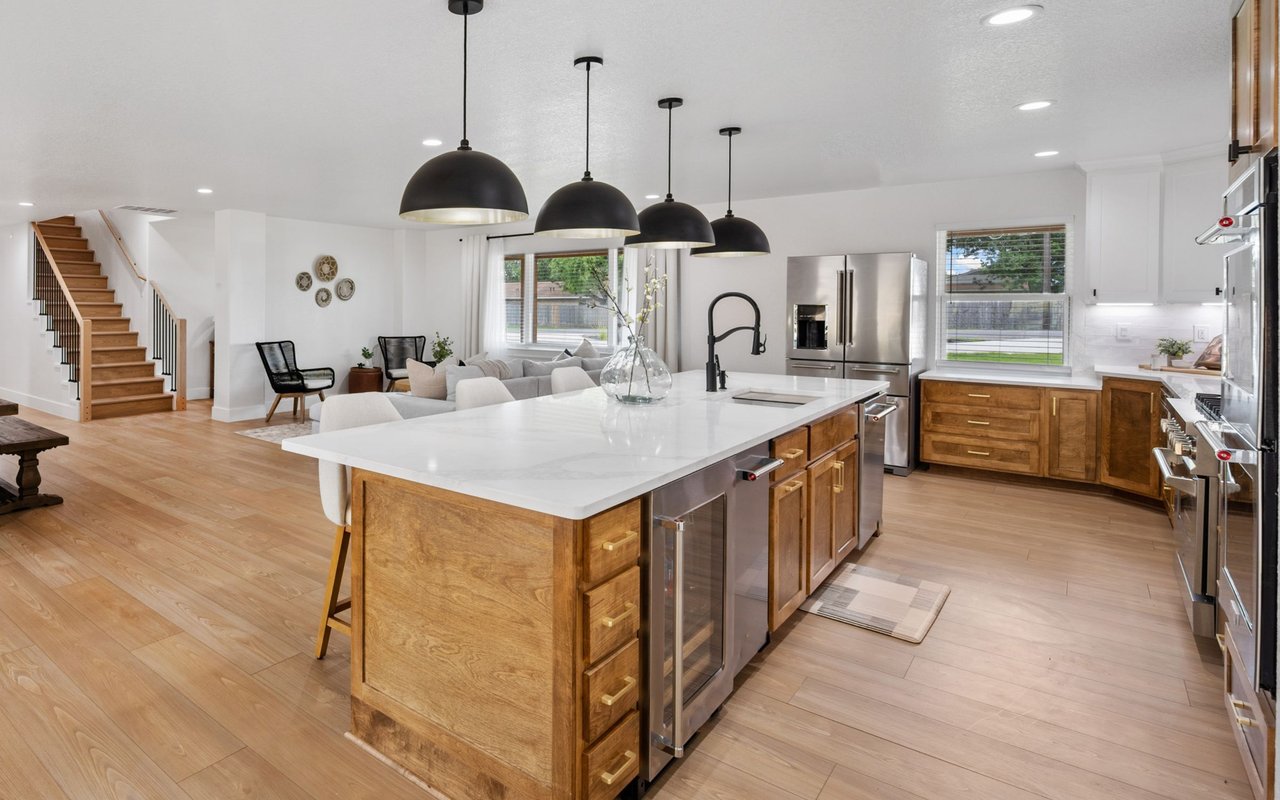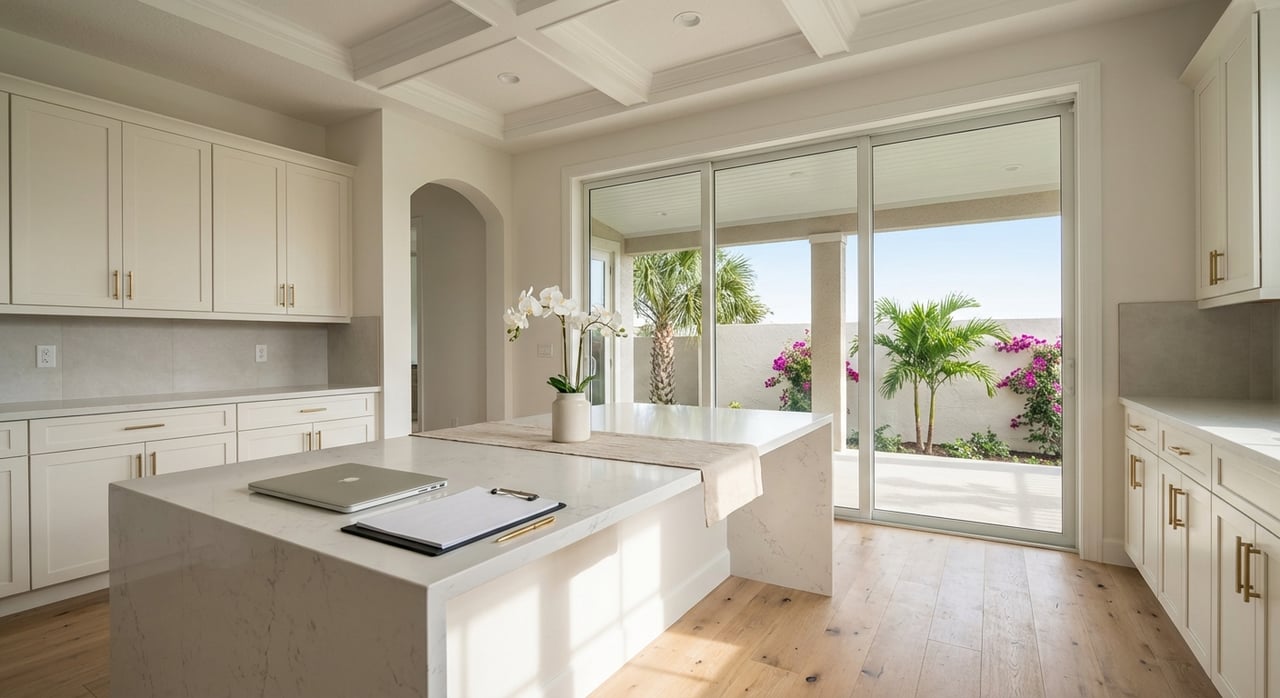
Thinking about selling your Lakewood Ranch home but not sure where to start? You want a clean, confident plan that protects your time and maximizes your net. This playbook walks you through each step from prep to close, with Florida-specific rules and Lakewood Ranch nuances that matter. By the end, you’ll know what to do, when to do it, and what to expect at every stage. Let’s dive in.
Why Lakewood Ranch sellers have an edge
Lakewood Ranch attracts a wide range of buyers, from move-up households to luxury and active-adult buyers. That mix can work in your favor if you position your home well. Recent third-party snapshots show different median values for Lakewood Ranch, with some providers around the high $500s and others in the low $600s. These differences come from data methods and village coverage.
What matters for you is not the community-wide median. It’s your village-level comparable sales. A narrow CMA focused on your village, floor plan, view, and upgrades is the right baseline for price and timing. Your agent should pull a local MLS CMA and recent pendings to set your strategy.
Know your costs and required disclosures
Selling in Florida is straightforward when you prepare the right paperwork early. Here are the essentials.
Property taxes, CDDs, and prorations
- In Manatee County, property taxes, exemptions, and estimates are explained by the Property Appraiser. You’ll see prorated taxes on your closing statement. Review how taxes are estimated on the appraiser’s site so you know what to expect at closing. Visit the Manatee County Property Appraiser’s page on estimating taxes for details. (Manatee County Property Appraiser)
- Many Lakewood Ranch addresses are within stewardship districts or CDDs. Those assessments appear as non-ad valorem lines on your tax bill and are typically prorated at closing. Have your current amounts handy when you list.
Florida disclosures you will complete
- Duty to disclose known, material, non-obvious defects. Florida courts require you to disclose known facts that materially affect value and are not readily observable. This applies even with an “as is” sale. See the Johnson v. Davis standard for context. (Johnson v. Davis summary)
- Property tax disclosure summary. Florida Statute Chapter 689 requires a property-tax disclosure summary at or before contract, noting that ownership changes and improvements may change the tax amount. This is included in standard Florida contracts. (Florida Statutes, Chapter 689)
- New flood disclosure. Florida now requires a stand-alone Flood Disclosure, including statements about flood claims, federal assistance, and known flood damage during your ownership. The updated form and rules took effect recently, so complete this early. (Florida Realtors overview of flood disclosure)
- Lead-based paint disclosure. For homes built before 1978, federal law requires a lead-based paint disclosure, delivery of the EPA/HUD pamphlet, and a buyer’s test opportunity. (EPA lead-based paint disclosure rule)
Tip: Your agent will attach the required statutory disclosures and information sheets to the contract package and keep your file compliant.
HOA, condo, and estoppel documents to order early
- Estoppel/resale certificates confirm dues, violations, and fees. Florida statutes set timing and fee caps. Associations must deliver within 10 business days of a written request, and the certificate is effective for a limited period. Ask your agent when to order these so they do not delay closing. (Florida Statutes, Chapter 720)
- Stewardship or CDD assessments. Because these show up as non-ad valorem taxes, your title company will prorate them on the Closing Disclosure. Make sure you have the current year’s assessment info.
Prep that moves price and days on market
Staging priorities that pay off
NAR research finds staging helps buyers visualize a home and can reduce days on market. Many agents report staging can increase offers, often in the 1 to 10 percent range when done well. Prioritize the living room, primary bedroom, and kitchen. Tidy, neutral, and bright usually wins. (NAR staging insights via Florida Realtors)
Start with these high-impact steps:
- Declutter, deep clean, and depersonalize.
- Paint in light, neutral tones and replace tired hardware and bulbs.
- Refresh curb appeal: mulch, trim, touch up paint, and clean the entry.
- Stage key rooms first; consider virtual staging for secondary spaces.
Professional media is your baseline
Today’s buyers expect polished presentation.
- 30 to 40 professional photos that showcase flow and finishes.
- A 3D or virtual tour so buyers can “walk through” from anywhere.
- Drone photos if permitted, plus a simple floor plan.
- A short listing video and a clean property page for easy sharing.
Industry analyses consistently show listings with virtual tours and floor plans get more views and stronger engagement. The goal is to make your home easy to understand and easy to love online.
Smart pre-listing inspections
A pre-listing home inspection and WDO (wood-destroying organism) inspection can surface issues before a buyer finds them. This reduces surprise repairs and supports honest pricing. Collect permits and receipts for roof, HVAC, plumbing, electrical, pool, and windows. For insurance, gather your wind-mitigation report and any impact-glass or roof documentation, which can help a buyer’s insurance outlook. (Wind-mitigation discount info)
Talk with your agent about whether pre-inspections make sense for your property type and price range.
Pricing and go-to-market plan
Use a village-level CMA
Third-party median values in Lakewood Ranch vary by provider and by village. Rely on a targeted CMA that compares your micro-location, floor plan, lot, view, and improvements. Your CMA should include recent pendings and adjust for CDD and HOA differences across villages.
Launch at the right moment
Coordinate your list date with photo and tour delivery. Many studies suggest listing mid-week can improve first-week exposure. Your agent will use portal and social timing to maximize early momentum and set up strong first-week showings.
Showings, offers, and buyer-broker compensation today
MLS policies changed after the 2024 industry settlement. Many systems no longer display a default buyer-broker fee, and buyers often sign written agreements with their agents before showings. Buyer-broker compensation is negotiable and handled by contract, not by automatic MLS settings. Discuss your approach with your listing agent before you go live.
When offers arrive, review:
- Price, financing type, and appraisal terms.
- Contingencies: inspection, financing, appraisal, clear title, HOA/condo review.
- Timelines, deposit strength, and any escalation clauses.
For inspection requests, you can repair, credit, or adjust price. Your agent will help you weigh cost, timing, and risk to keep your deal on track.
Closing timeline and your net proceeds
How long closing usually takes
Cash deals can close quickly, often in a couple of weeks if title and association items are clear. Financed sales commonly take about 30 to 45 days. Allow extra time for condo or HOA document reviews, title curative work, or repairs.
Typical seller costs in Manatee County
- Real estate commission. The total commission is negotiable and often the largest line item.
- Documentary stamp tax on the deed. In most Florida counties outside Miami-Dade, the rate is $0.70 per $100 of price. Local custom usually places this on the seller in resales. (Florida Department of Revenue doc stamps)
- Owner’s title insurance policy. In Manatee County, it is common for the seller to pay for the owner’s policy, but this is a negotiable, local custom item. (Who pays title in Manatee County)
- HOA/condo estoppel and transfer fees. Florida law caps estoppel fees and requires delivery within 10 business days of request. (Florida Statutes, Chapter 720)
- Prorated property taxes, HOA dues, and any CDD assessments that show on your tax bill. (Manatee County Property Appraiser overview)
- Mortgage payoff and any lender recording or release fees.
Simple net-sheet example
Ask your agent for a custom net sheet at the listing appointment. It should reflect local title custom, prorations, and your payoff. A basic layout looks like this:
- Expected sale price
- Minus: negotiated commission
- Minus: documentary stamps on deed
- Minus: owner’s title insurance (if seller-paid in Manatee)
- Minus: HOA/condo estoppel and transfer fees
- Minus: prorated taxes, HOA dues, and CDD assessments
- Minus: mortgage payoff and lender fees
- Estimated net to seller
Closing day and wire safety
On closing day, the buyer completes a final walk-through, you hand over keys and codes, and the title company records the deed. For wire transfers, always verify instructions by phone using a known, independent number for the title company. Never rely on email-only wire instructions.
Step-by-step timeline checklist
Use this as your working plan. Your agent will tailor it to your home and village.
6 to 8 weeks before listing
- Order a village-level CMA and request a preliminary net sheet.
- Gather: survey, permits, major repair receipts, HOA/CDD contacts, insurance docs.
- Decide on staging scope. Schedule professional photography and a 3D tour.
- Optional: pre-listing home and WDO inspections; collect wind-mit docs if available.
1 to 2 weeks before listing
- Complete agreed repairs. Deep clean and stage.
- Shoot final photos, 3D tour, and video. Confirm list price and target go-live date.
Listing week
- Go live mid-week for stronger first-week visibility.
- Enable tours and open-house times. Promote across portals and social.
After you accept an offer
- Deliver HOA/condo estoppel, disclosures, and requested docs.
- Coordinate inspections, appraisal, and any repair negotiations.
- Work with title on lien search, payoffs, and insurance requirements.
Final week to close
- Confirm payoff amounts and review your Closing Disclosure for prorations.
- Verify wire instructions by phone. Schedule movers and final clean.
- Prepare keys, remotes, garage codes, manuals, and warranty docs.
Ready to sell with confidence?
With the right prep, clear disclosures, and a targeted launch, you can minimize days on market and protect your bottom line. If you want a custom CMA, a polished marketing plan, and concierge guidance from listing to close, start with a free valuation and a quick strategy call with Ronnie DeWitt.
FAQs
What are CDD assessments in Lakewood Ranch and how do they affect my sale?
- Many homes are in stewardship districts or CDDs where assessments appear as non-ad valorem lines on the county tax bill; title will prorate them at closing, so have current amounts ready.
Which disclosures are required for Florida home sellers in 2026?
- Expect the property-tax disclosure summary, the new stand-alone Flood Disclosure, lead-based paint disclosure for pre-1978 homes, and your common-law duty to disclose known, material, non-obvious defects.
Who typically pays for owner’s title insurance in Manatee County?
- Local custom often places the owner’s title policy on the seller, but it is negotiable and should be confirmed with your title company and agent early.
How much are Florida deed documentary stamps for sellers?
- The state rate is generally $0.70 per $100 of consideration in counties outside Miami-Dade; this is commonly a seller charge in resale transactions.
When is the best day to list my Lakewood Ranch home?
- Many market analyses favor a mid-week launch to maximize first-week views; time your live date to follow delivery of professional photos and your 3D tour.
Do I need to stage, or will photos be enough?
- Staging plus pro photos usually performs best. Research shows staging helps buyers visualize the home and can reduce time on market, especially in key rooms.
How long does closing usually take in Lakewood Ranch?
- Cash closings can happen in a couple of weeks if title and association items are clear; financed sales often take about 30 to 45 days depending on appraisal and underwriting.