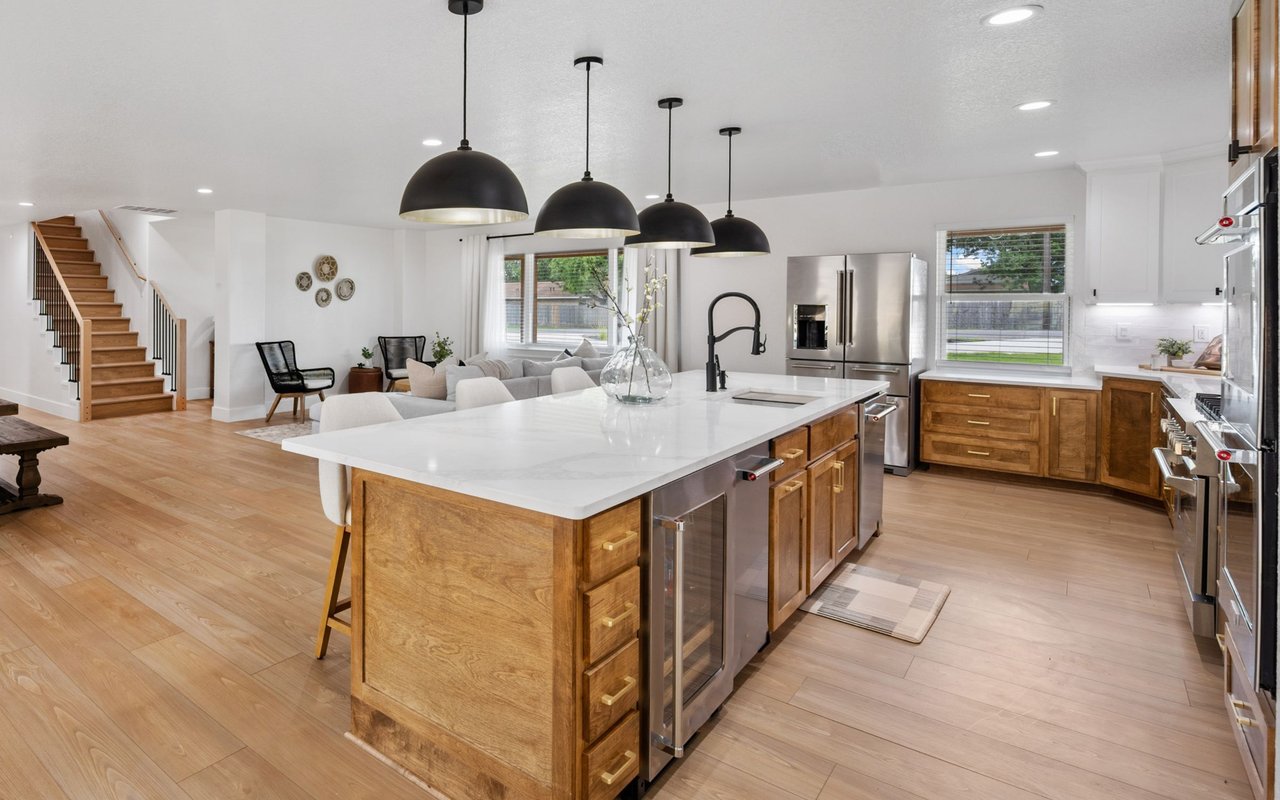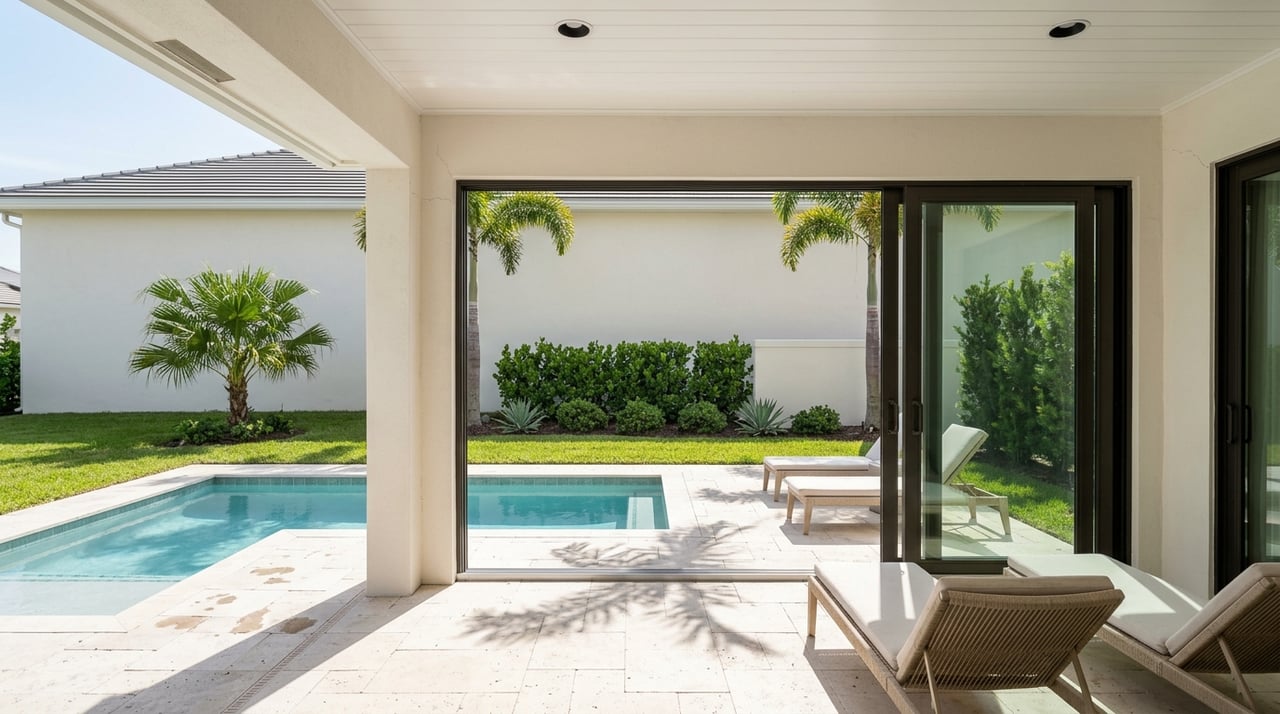
Trying to decide between a brand-new home and a resale home in Parrish? You are not alone. This is one of the biggest questions buyers face here because Parrish is growing fast, and one community can feel very different from the next. In this guide, you will learn how new construction and resale homes compare in Parrish, what costs can change the math, and which option may fit your timeline and budget best. Let’s dive in.
Why Parrish comparisons are different
Parrish is not a one-size-fits-all market. Manatee County has approved large, phased projects in the area, including communities with different product types, lot sizes, and build timelines that can stretch years into the future.
That matters because comparing new construction versus resale in Parrish is rarely just about price. You also need to compare the neighborhood setup, the timing of buildout, and the ownership costs tied to that specific community.
Manatee County also created the Parrish Area Improvement District and tax increment financing framework in 2022 to support infrastructure such as streets, utilities, sidewalks, lighting, parks, and playgrounds. For you as a buyer, that means public infrastructure and special-district considerations can be part of the ownership picture in this area.
New construction benefits in Parrish
New construction is often appealing if you want a more predictable condition at move-in. A newly built home usually comes with newer materials, newer systems, and a lower chance of immediate repair needs compared with an older property.
Another big draw is personalization. Depending on the stage of construction, you may be able to choose finishes, upgrades, and design features that better match your taste and lifestyle.
For many Parrish buyers, that fresh-start feeling is the biggest advantage. You get a home that has not had prior wear and tear, and you may avoid some of the surprise maintenance items that can come with resale homes.
New construction tradeoffs to watch
The main tradeoff with new construction is time. If the home is not complete, your move-in date may be longer out and less certain than it would be with a resale home that is already finished.
Financing can also be more complex. Fannie Mae supports both single-closing and two-closing construction-to-permanent financing structures, which shows that new-build purchases can involve more moving parts than buying an existing home.
You should also expect upfront costs to look a little different. The CFPB notes that builders may ask for an upfront builder deposit, sometimes called earnest money, and you are not required to use the builder’s affiliated lender.
Even with a new home, contingencies still matter. The CFPB recommends financing and inspection contingencies for new construction, which is a good reminder that “brand new” does not mean “risk free.”
What warranties really cover
Many buyers assume a new home warranty covers everything, but that is not usually the case. The FTC says most newly built homes come with a builder warranty, but the coverage is limited.
In general, workmanship and materials are often covered for about one year. HVAC, plumbing, and electrical systems are often covered for about two years, and major structural defects may be covered for as long as 10 years.
That said, there are important gaps. The FTC notes that most new-home warranties do not cover appliances or the cost of temporary housing during repairs.
It is also important to know the difference between a builder warranty and a home warranty. According to the FTC, a home warranty is usually a separate service contract that costs extra, so it should not be treated as the same thing.
Why some buyers prefer resale homes
Resale homes often win on speed. Because the house already exists, you can usually move from contract to closing faster than you can with a home that is still under construction.
A resale home also gives you more certainty about what you are buying. You can see the actual yard, street, neighboring homes, traffic flow, and the way the area feels day to day before you close.
That visibility is valuable in Parrish, where one community can differ a lot from another. Instead of relying on plans, renderings, or future buildout assumptions, you are evaluating a finished setting in real time.
Resale tradeoffs to budget for
The biggest tradeoff with resale is condition risk. Older systems, roof age, prior repairs, and storm history can all affect what you may need to spend after closing.
The CFPB advises buyers to ask about prior flood or storm damage because some damage is not visible. That makes inspections especially important when you are considering a resale property in Florida.
If you want extra coverage after closing, a home warranty may be an option. But the FTC says that type of warranty is generally a paid service contract, so it is a budgeting item, not a replacement for a full inspection.
Parrish costs that can change your decision
In Parrish, the smartest comparison is not just purchase price. It is monthly carrying cost plus time to occupancy.
That means looking closely at taxes, assessments, insurance, and community fees before you decide that one option is automatically the better value. A lower list price does not always mean a lower monthly cost.
HOA and CDD costs
Some Parrish communities include an HOA, a CDD, or both. This matters because those charges are not the same thing.
Florida law makes clear that a community development district is not a homeowners’ association. It is a special-purpose government, and its assessments may appear separately from HOA costs.
Parrish has communities such as Parrish Plantation and Harrison Ranch that are organized as community development districts. In practical terms, you may see an HOA fee plus CDD assessments collected on your tax bill.
Property taxes and assessments
Manatee County says property taxes are paid in arrears. Real estate tax bills include ad valorem taxes and non-ad valorem assessments, and bills are mailed on or around November 1.
The county also notes that community development assessments can include annual maintenance fees and debt service on the tax bill. That is why two homes with similar prices can have meaningfully different ownership costs.
Impact fees on new homes
New construction in unincorporated Manatee County can involve impact fees. The county says these are one-time charges for new homes or expansions, assessed during permit processing and paid before the certificate of occupancy or completion is issued.
Residential impact fees are based on climate-controlled floor area. If you are comparing builders, it is smart to confirm whether the quoted price reflects the current county fee schedule.
That is especially important because the county says unpaid impact fees can be reassessed if a permit extension is requested. In other words, an older estimate may not match the final numbers.
Insurance and flood coverage
Insurance is another major part of the comparison. The CFPB says lenders generally require homeowners insurance, and standard homeowners policies do not cover flood damage.
Flood insurance is separate. FEMA says flood premiums depend on the amount of coverage, the flood zone, and the design and age of the structure.
For new construction, NFIP rates are tied to the elevation of the lowest floor relative to the base flood elevation. Whether you buy new or resale, you should ask what insurance assumptions were used in any monthly payment estimate.
Tax items Florida buyers should not overlook
If you are moving to Florida, the homestead exemption is not automatic. Manatee County says you must establish permanent Florida residency by January 1 and apply by March 1.
The county also says the exemption does not automatically transfer to a new home. Once your homestead is in place, Save Our Homes can cap future assessment growth.
If you already own a Florida homestead, portability may matter too. Manatee County says the Save Our Homes benefit can be transferred to a new homestead for up to three consecutive tax years, subject to the state process.
For move-up buyers, that can affect the true cost of buying new construction versus resale. It is one of the local tax details worth reviewing early.
How to compare homes in Parrish
Because Parrish has a mix of planned communities and phased development, the best approach is to compare homes at the community level. Do not assume every new neighborhood has the same lot sizes, setbacks, fees, or timeline.
Instead, ask focused questions about each property and each subdivision. That will give you a more accurate picture than comparing only the listing prices.
Questions to ask on new construction
- Is there an HOA, a CDD, or both?
- What are the annual assessments?
- Does the price include the current impact-fee schedule?
- Are lot premiums and design-center upgrades included?
- What builder warranty is included?
- When is the certificate of occupancy expected?
- What insurance assumptions were used in the monthly payment estimate?
Questions to ask on resale homes
- How old are the roof, HVAC, plumbing, and electrical systems?
- Has the home had prior flood or storm damage?
- What repairs or claims have been made in the past?
- Are there HOA fees, non-ad valorem assessments, or CDD charges?
- What does the current insurance picture look like?
- How soon can you realistically close and move in?
Which option may fit you best
New construction may be the better fit if you want customization, prefer a lower near-term repair burden, and can handle a longer or less certain timeline. For many buyers, the appeal is predictability in the home’s condition and a more current layout.
Resale may be the better fit if you want to move sooner and prefer seeing the finished neighborhood before you buy. You may trade some condition certainty for speed and a clearer picture of the home’s surroundings.
In Parrish, there is no universal winner. The right answer usually comes down to your timeline, your comfort with repairs or delays, and the total monthly cost of ownership in the specific community you are considering.
If you want help comparing new construction and resale options in Parrish, Ronnie DeWitt can help you weigh the numbers, the timing, and the neighborhood details so you can make a confident move.
FAQs
What is the biggest difference between new construction and resale homes in Parrish?
- The biggest difference is usually the tradeoff between predictability of condition and speed of move-in. New construction may offer newer systems and customization, while resale usually offers faster occupancy and a finished neighborhood you can evaluate before closing.
Do Parrish new construction homes always have HOA and CDD fees?
- Not always, but some Parrish communities do include an HOA, a CDD, or both. You should review each community individually because those costs can affect your monthly ownership expense.
Are builder warranties on Parrish new homes the same as home warranties?
- No. A builder warranty is tied to the newly built home and usually has limited coverage periods, while a home warranty is generally a separate paid service contract.
What taxes and assessments should buyers check in Parrish?
- You should review ad valorem taxes, non-ad valorem assessments, and any community development district charges that may appear on the tax bill. These can change the real monthly cost of owning the home.
Do Parrish resale homes need inspections if the house looks well maintained?
- Yes. The CFPB recommends inspection contingencies, and buyers should ask about prior flood or storm damage because some issues may not be visible during a casual showing.
How should buyers compare monthly costs for homes in Parrish?
- Focus on the full carrying cost, including mortgage payment, taxes, insurance, HOA fees, CDD assessments, and any likely repair or warranty expenses. That gives you a more useful comparison than purchase price alone.