Thinking about selling your Venice condo but unsure where to start? Between association rules, seasonal demand, and condo-specific financing, it can feel like there are extra hoops to jump through. You deserve a plan that makes the process clear, smooth, and profitable. This guide shows you how to prepare your condo, set the right expectations, and avoid surprises, so you move from listing to closing with confidence. Let’s dive in.
Understand the Venice condo market
Seasonal demand in Venice and greater Sarasota tends to rise in fall and winter as seasonal buyers arrive. Timing your listing to this cycle can increase exposure and strengthen offers. If you need to list at another time, focus on standout presentation and pricing.
Condo financing often follows stricter guidelines than single-family homes. Many lenders and secondary-market investors like Fannie Mae and Freddie Mac review the whole condo project, not just your unit. They look at reserves, owner-occupancy ratios, delinquencies, and litigation, so your association’s health can influence how many buyers qualify.
Water views and proximity to Venice and Caspersen beaches add appeal, but buyers also consider flood and wind risk, along with insurance costs. Be prepared to answer questions about master insurance, wind deductibles, and any hurricane protections in your unit. Smart prep in these areas helps you maintain buyer confidence and momentum.
Coordinate with your condo association early
Request the resale package
Most buyers and lenders expect a resale certificate or association disclosure package during escrow. This packet typically includes details on assessments, delinquencies, reserves, insurance coverage, and litigation. Timelines and fees vary by association, and Florida Condominium Act Chapter 718 sets important rules, so contact your property manager early to understand the process.
Requesting this package before you list can prevent delays once you are under contract. Ask about delivery time, acceptable payment methods, and whether the association will provide additional forms your buyer’s lender may request. Setting expectations upfront keeps the deal moving.
Gather governing documents and financials
Assemble the core documents buyers and lenders look for:
- Declaration, bylaws, rules and regulations, and any FAQs
- Current budget, recent financial statements, and reserve study if available
- Insurance certificates for the master policy and any riders
- Recent association meeting minutes
- Notices of special assessments or pending litigation
Having these ready signals transparency and gives buyers the confidence to act quickly. It also helps you and your agent anticipate questions before they become objections.
Clarify project health points
Be ready to discuss the association’s reserves, owner-occupancy versus investor mix, and any delinquencies. These items influence financing options and underwriting. If your building has recent or upcoming special assessments, be clear about amounts, timelines, and what the work covers.
If your association is addressing major work, such as roof replacement, structural repairs, or plumbing upgrades, disclose that early. Explaining the plan and the benefit to the building can help buyers stay engaged rather than walking away late in the process.
Get your insurance and risk info ready
Condominium associations typically maintain a master policy for the structure and common areas. As the unit owner, you carry an HO-6 policy for interior finishes, personal property, and liability. Gather the association’s insurance declaration page that shows coverage types and wind or hurricane deductibles.
If you have impact windows, storm-rated doors, or shutters, organize your receipts and manufacturer certificates. Buyers and insurers often ask for proof of wind-mitigation features. If your unit is in an area where flood insurance is relevant, be ready to discuss flood zone information and typical coverage considerations.
Inspect before you list
Pre-listing inspections help you avoid last-minute renegotiations. Consider a general home/condo inspection to check electrical, plumbing, HVAC, and visible structural elements. Many sellers also order a WDO (wood-destroying organisms) inspection because lenders and buyers commonly request it in Florida.
If your condo had past leaks, humidity issues, or sits in a coastal environment, consider a mold or moisture assessment. Document any repairs or remediation. For older buildings, a roofing or HVAC review can help you prioritize fixes that keep buyers and lenders at ease.
Common issues to watch for
- Water intrusion and roof leaks, especially in older buildings
- Concrete spalling or corrosion in reinforced structures
- Aging plumbing systems that may need re-piping
- HVAC nearing end-of-life or lacking maintenance records
- Visible mold or moisture damage
- WDO damage or active pests
Addressing the most likely objections first is usually the best ROI. Keep receipts and service records. If recent work required permits, confirm approvals and final inspections through the City of Venice or Sarasota County permitting offices.
Plan smart repairs and staging
Prioritize safety and reliability. Fix active leaks, electrical hazards, HVAC failures, and plumbing problems before you list. Cosmetic updates like fresh paint, updated lighting, and hardware can also go a long way in a condo.
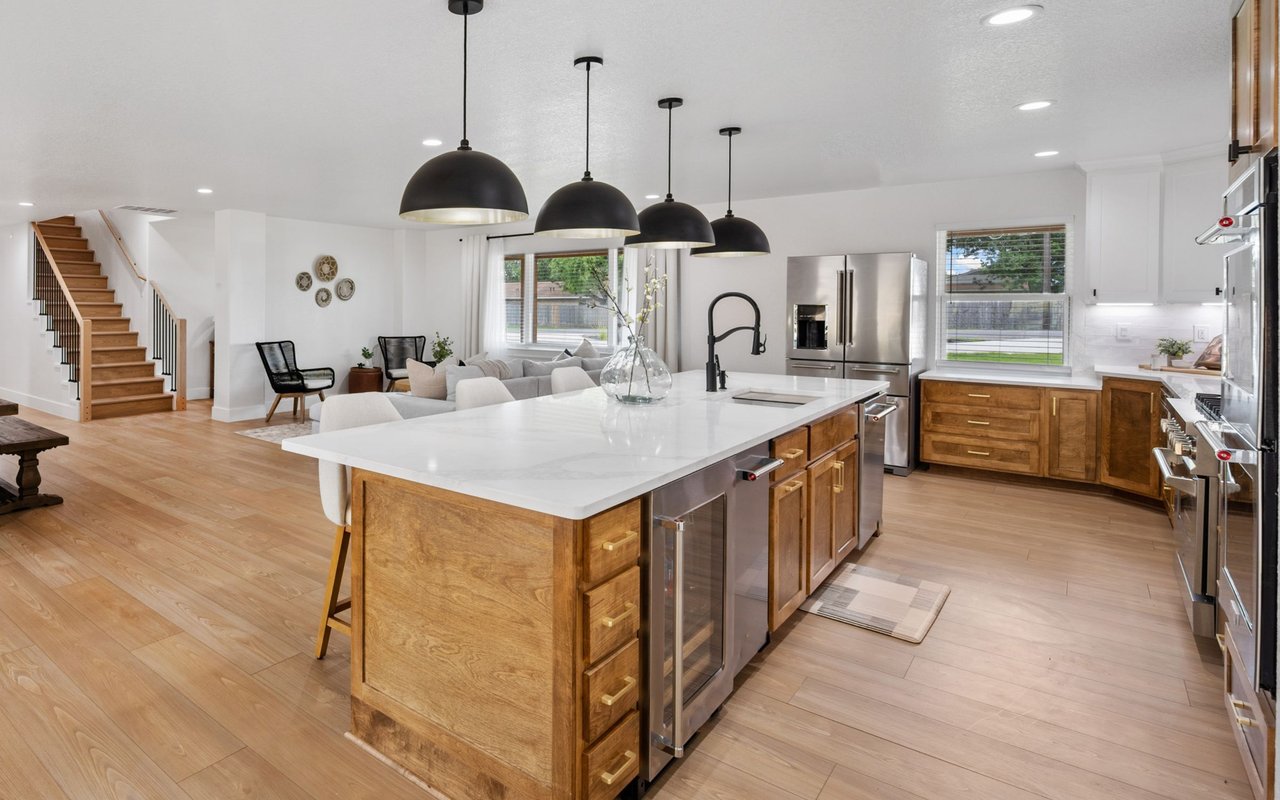
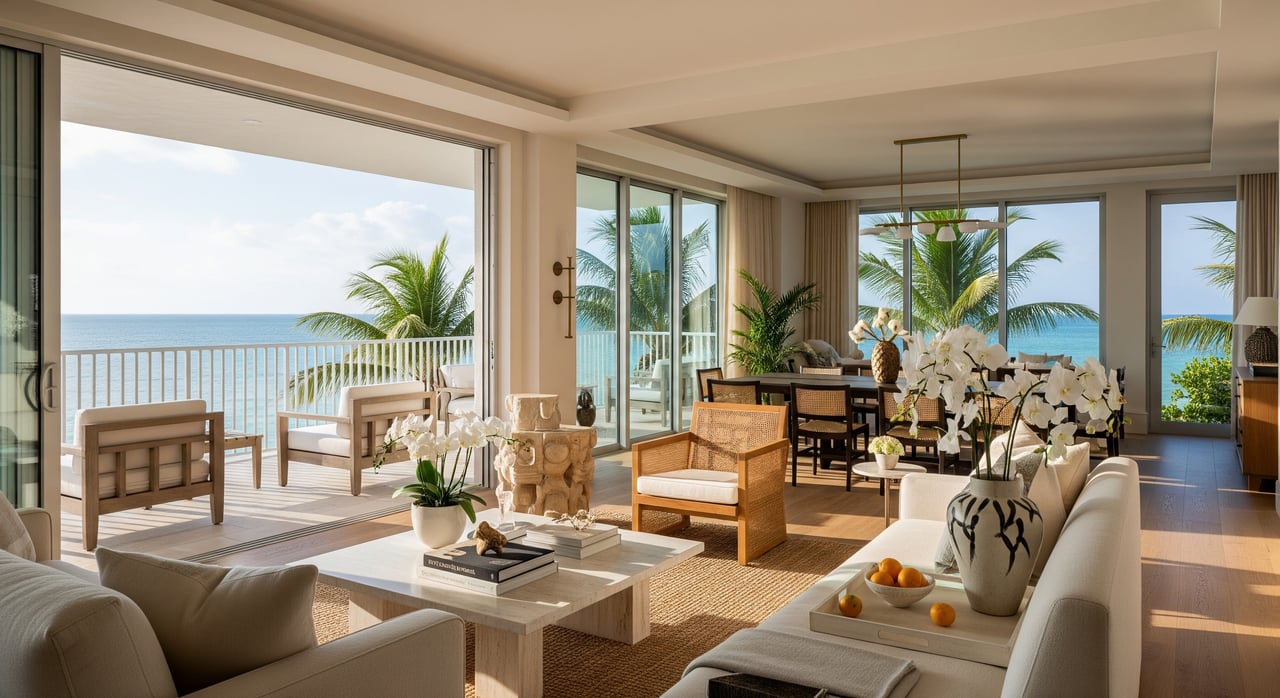
Staging matters because interiors, light, and views do much of the selling in condo spaces. Clear out bulky furniture to maximize flow and make smaller rooms feel larger. Highlight sought-after features for Venice buyers, like walkability to downtown, proximity to beaches, secured entry, covered parking, elevator access, and recent interior upgrades.
Professional photography is essential. If your unit has a view, schedule photos during the best daylight and weather. Capture amenities like the pool, fitness room, clubhouse, or beach access if allowed by your association’s rules.
Price with condo-specific comps
Use recent sales from your building or closely comparable nearby communities. Adjust for floor level, view corridors, renovation quality, assigned parking or storage, and the monthly association fee. Condo buyers compare total monthly costs, not just the list price.
When you communicate value, factor in HOA fees, insurance, any flood insurance, and property taxes. Buyers appreciate this clarity, and it can help you avoid late-stage objections about affordability.
Plan for showings and access
Confirm your association’s rules for showings, signage, open houses, and lockbox placement. Some communities limit showing hours or require advance notice or gate access procedures. Align your marketing plan with those requirements so you do not run into compliance issues after going live.
When possible, avoid being present during showings. Prepare a neat information packet with your highlight sheet, association contact info, recent inspections, warranties, and a summary of any assessments. Organized sellers inspire confidence, which can translate into stronger offers.
Your pre-listing checklist
Paperwork to assemble 4–8 weeks before listing
- Copy of your deed and unit legal description
- Association and management contact information
- Declaration, bylaws, rules and FAQs
- Current budget, financials, reserve study, and master insurance declarations
- Recent meeting minutes and any notices of assessments or litigation
- Permit history and final inspection records for completed work
- WDO and other inspection reports, plus repair receipts and warranties
Inspections and maintenance tasks
- General condo inspection to identify priority fixes
- WDO inspection and any recommended treatments
- HVAC service and filter replacements with service receipts
- Repair visible leaks, broken fixtures, and electrical or plumbing hazards
- Deep clean, declutter, and stage key rooms
- Photograph views, natural light, storage solutions, and amenities if allowed
Communication with the association
- Request the resale certificate or disclosure package and note fees and timelines
- Confirm showing rules, gate access, and any signage restrictions
- Ask about any pending or upcoming projects that buyers should know about
Timeline from prep to closing
- 4–8 weeks pre-listing: Gather association documents, request the resale package, order pre-listing inspections, and complete priority repairs. Stage and schedule professional photos.
- Listing to contract: Speed varies by season and project health. Strong presentation and transparent disclosures help attract qualified buyers.
- Contract to closing: Condo underwriting can take longer if the association package triggers extra lender review. Build a buffer into your timeline, especially if the association has litigation, low reserves, or high investor concentration.
Work with a local expert
Selling a condo is part market timing, part project health, and part presentation. You deserve a trusted guide who understands the Venice and Sarasota market and the finer points of condo associations, insurance, and financing. With nearly 30 years of local experience and premium marketing, Ronnie DeWitt & Associates helps you prepare, position, and present your condo to the right buyers.
If you are considering a sale, start with a clear plan and a valuation tailored to your unit and building. Connect with Ronnie DeWitt to get a free market valuation and a step-by-step path to a smooth closing.
FAQs
What documents do Venice condo buyers expect before making an offer?
- Buyers typically ask for association governing documents, current budget and financials, reserve information, master insurance details, meeting minutes, and notices of assessments or litigation.
How do HOA fees impact my list price strategy?
- Many buyers evaluate the total monthly cost, including mortgage, HOA fees, insurance, flood insurance if applicable, and taxes, so your pricing should reflect that bigger picture.
Should I wait for season to list my Venice condo?
- Fall and winter bring more seasonal buyers, but strong presentation and accurate pricing can attract quality offers year-round.
Will a special assessment scare off buyers?
- It can narrow the buyer pool or complicate financing; disclose early and clearly explain the scope, cost, and timeline to keep buyers engaged.
What inspections should I do before listing a coastal condo?
- A general inspection and WDO inspection are common; consider mold/moisture assessments and targeted roof or HVAC checks based on your building’s age and condition.
Who pays the Florida condo resale certificate fee?
- Practices vary by association and negotiation; many sellers pay, but confirm your association’s policy and address it in your contract.